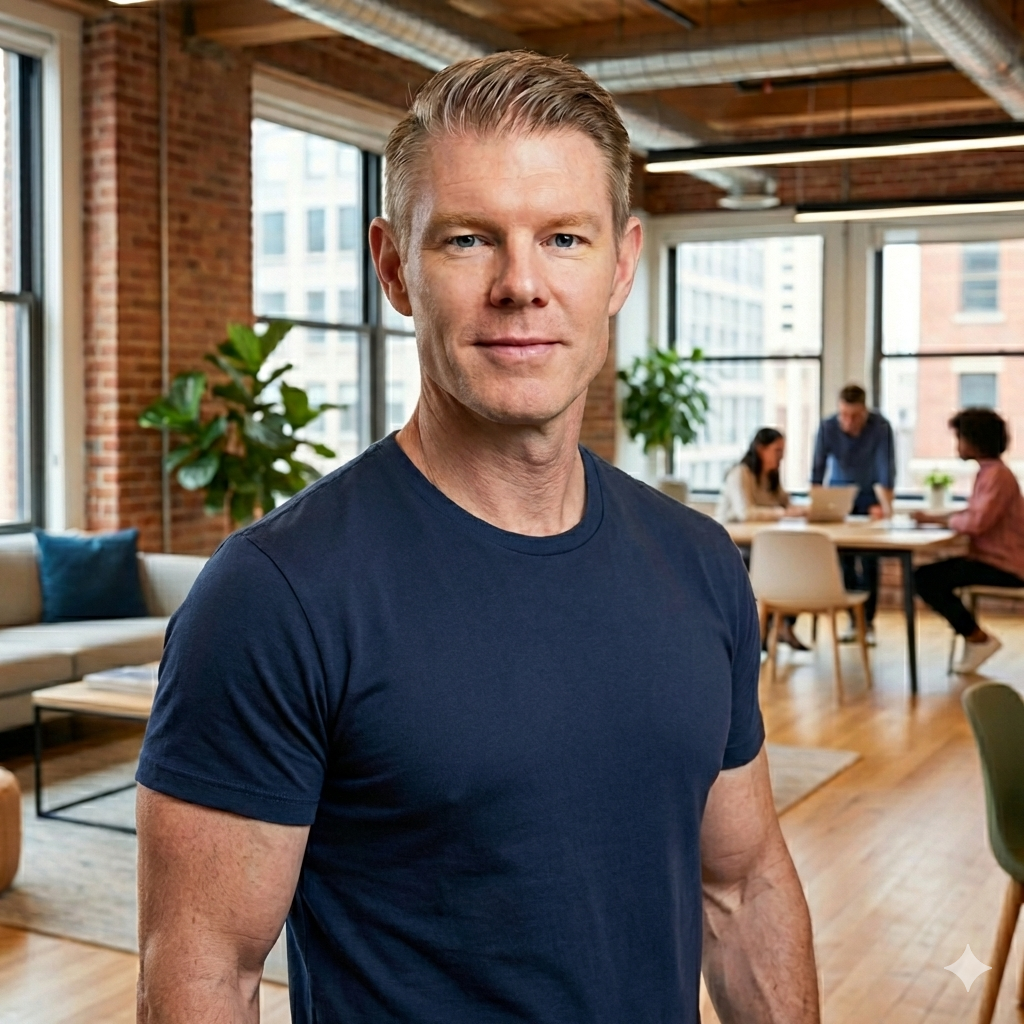
Steven Christensen

Biography
Steven is AI Workplace Lead at Microsoft, based in the Teams Engineering organisation (Calling, Meetings & Devices) at HQ — sitting at the forefront of how AI is reshaping Teams and the future of how we collaborate and meet. Over 11 years at Microsoft, he has worked across EMEA to help organisations turn AI ambition into real workplace outcomes — strategy, adoption, and the operating models that make new ways of working stick. His contributions to innovation and business impact have been recognised twice with the Microsoft Champion Award.
Before Microsoft, Steven spent a decade at Intel in sales and marketing roles, contributing to the launch of landmark products including Pentium 4, Centrino, and Core — experience that shaped his view of how technology transitions actually play out inside organisations.
Between and alongside his roles in big tech, Steven has founded and scaled multiple startups, secured funding, and advised emerging ventures on strategy and growth — giving him a builder's perspective to balance the enterprise lens.
Today, he is also the founder of Fronterio.com, which helps companies accelerate AI adoption and design what it takes to become a Frontier Firm — rethinking how work gets done when humans and AI agents collaborate every day.
His career has spanned Europe, the Middle East, North America, and Asia, giving him a global perspective on how leaders, teams, and technology come together to build the workplace of the future.
Speaker's Sessions
-
AI Workplace Lead at Microsoft
Meetings That Work For You: How AI Agents in Microsoft Teams Are Reinventing Collaboration
Hybrid work gave us flexibility — but meetings became more fragmented, less inclusive, and harder to coordinate across physical and digital environments.Today, AI is transforming Microsoft Teams from a collaboration platform into an intelligent coordination la...
Hybrid work gave us flexibility — but meetings became more fragmented, less inclusive, and hard...
Meetings That Work For You: How AI Agents in Microsoft Teams Are Reinventing Collaboration
Share This Page
More Speakers
See All
Sara Bäckström Edvardsson

André Botström
Kristin Lundback
Viktor Hedberg
Reshmee Auckloo
Mats Warnolf
Per Andersson